



Contact us today for a free consultation
Call free phone: 0800 917 4194
Monday – Friday: 9.00am – 6.00pm | Saturday: 8.30am – 1pm


11 Plus and GCSE
Homework can be often become a battle of wills. While some children are happy to do it, others try to resist, which can be stressful for everyone involved. We often…

Secure your spot on our three-day Easter holiday Kent tuition courses, running during both weeks of the Easter school holidays. The courses take place from Tuesday to Thursday, from 9am…

Reading can be an excellent way for children to learn. Not only does it help expand their vocabulary and improve their comprehension skills, but it also fosters creativity, empathy, and…

If you live in Kent, Medway or Bexley, you’ll be aware that your child must take an 11 plus test to attend a Grammar School, but how do you know…
Homework can complement your child’s learning at school and is also great for helping them to spend a little extra time on areas that don’t come as naturally. While it’s…

Choosing a primary school for your child can feel daunting. If it’s the first time your child is going to school. We’ve outlined some things you may want to consider…

Booking is now open for our October half-term intensive tuition course. The course will run from Tuesday 24th October to Thursday 26th October from 9am to 1pm each day. If…

Booking is now open for our February half term intensive course, which runs from Tuesday 14th to Thursday 16th February 2023. Our intensive courses are a great opportunity to focus…

We’re now offering weekly tuition from our new venue in Maidstone. Our weekly lessons take place at Maidstone Leisure Centre every Saturday morning, 9am to 12noon. Lessons can be booked…

If your child is in primary school and attends intensive courses with us or is currently receiving weekly lessons, don’t forget that they can access weekly homework via google classroom.…

We provide structured 11 Plus courses to prepare children for their exam. With us, your child will revise, learn how to study and build exam skills so they will feel…
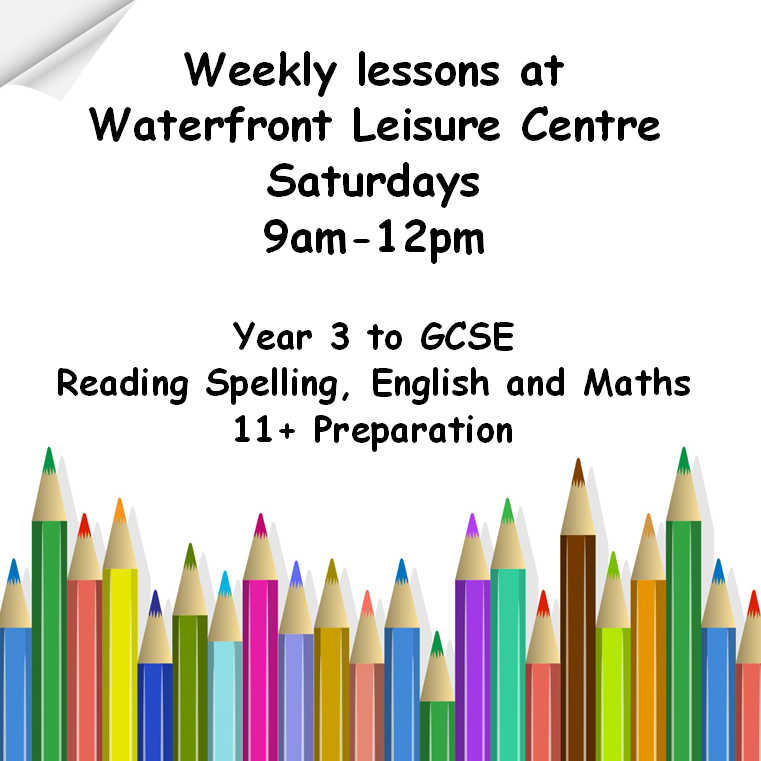
Saturday morning lessons are now up and running again at the Waterfront Leisure Centre, Woolwich. We are very pleased to offer tuition to children in Year 3 right through to…
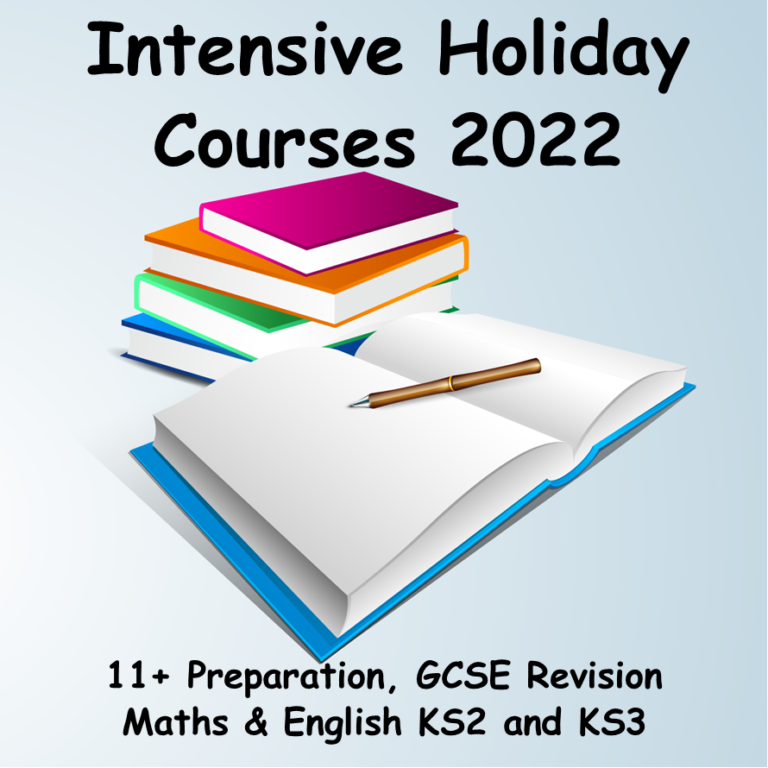
Many parents would like their children to keep busy during their school holidays. We offer intensive holiday courses to boost your child’s confidence and school performance. Students attend for 3…

Part of 11+ preparation is doing practice papers. This is the start of your child’s 11+ journey and we can help smooth the way. We run practice paper sessions for…
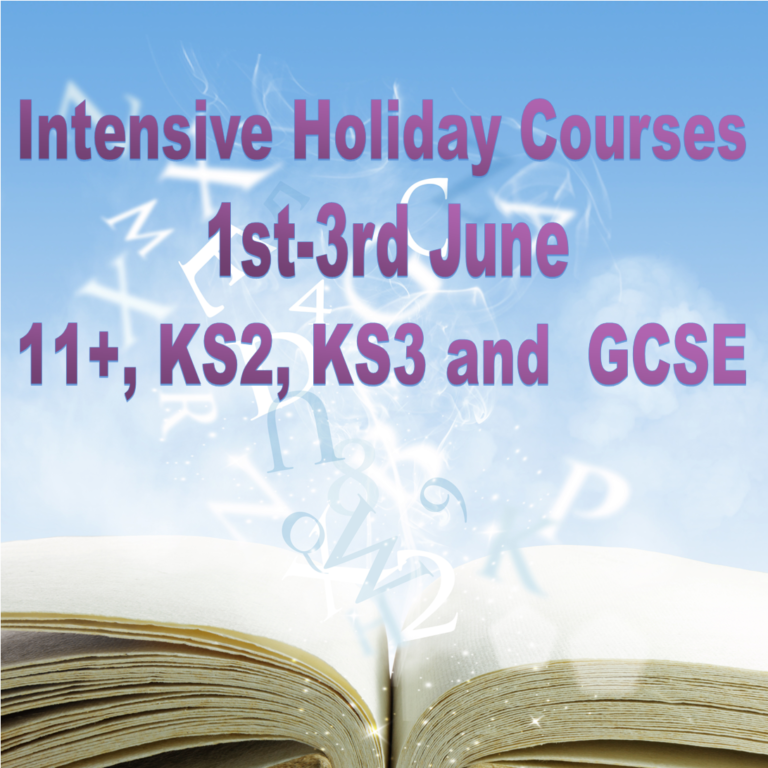
Extra Tuition Centre offers intensive Holiday Courses to help prepare students ahead of their examinations. GCSE We offer courses in GCSE English and GCSE Maths, tailoring each of these to…

Do you have a hard time getting your child to do practice 11+ paper? We can help. We run practice paper sessions for both CEM and GL style 11+ examinations.…

If you would like your child to do some 11 plus work over the June half term holidays, look no further than our very popular intensive holiday courses. These courses…

If you would like your child to do some 11 plus work over the Easter holidays, look no further than our very popular intensive holiday courses. These courses are for…
This has been a difficult time for all secondary school pupils. Teachers are working hard to keep their students engaged and on track. If you feel that your child could…

Extra Tuition Centre can help your child with their GCSE learning online. We offer an extensive range of classes both One-2-One or small group. If you can’t see a class…
* Over 40 years experience
* Based in South East of England
* Primary to GCSE
* Personalised Action Plan
* Qualified Teachers and Classroom Assistants
* Follow your child’s progress online



Hi, Just to let you know that Frank passed his Bexley, Kent and St Olaves 11+ selection tests and was very pleased. He will hopefully be going to Bexley Grammar where his sister is and which is where he aimed for. Thank you to all the staff who helped and supported him during his tuition…
I learnt how to multiply fractions and now I am more positive. It is a quicker way than I used to do it.
I have enjoyed everything in this course, it was extremely fun and now I have more confidence in myself and I believe, with what my tutors at ETC have taught me, I will breeze though the 11+ and get all my answers correct. P.S. Thank you for helping me. Gus
I have enjoyed having Emma because she was very helpful and kind.
“I would like it even better if there was more stuff to play with at play. (“But I like that I learn a lot here!”)
I feel that ETC has helped me practice and revise on all of the maths, verbal, non-verbal and English that I have learnt at school and at my tutors. And for the next 3 weeks I will be coming here. Leona B
Monday – Friday: 9.00am – 6.00pm | Saturday: 8.30am – 1pm